As a multidisciplinary fashion design studio, VINN PATARARIN has primarily based its works on cutting-edge experimentation on textiles and architecture with the core questions of material and space. In its more cohesive moments, fashion and textile design have confirmed that sensory stimulation can support the functioning of human bodies and minds to enhance the lived experience and the quality of life. Moreover, materials’ textures can beneficially restore the sensation of human bodies and the muscles of the arms and hands, especially for stroke patients. Globally, with over 110 million people affected, stroke has reached epidemic proportions. Among adults above 25, 1 in 4 may experience a stroke in their lifetime, which causes illnesses or physical conditions that can affect their daily lives, such as paralysis or balancing problems. The role of fashion design, thus, was examined in developing a procedure of therapeutic dressing for stroke patients’ activities of daily living (ADLs).
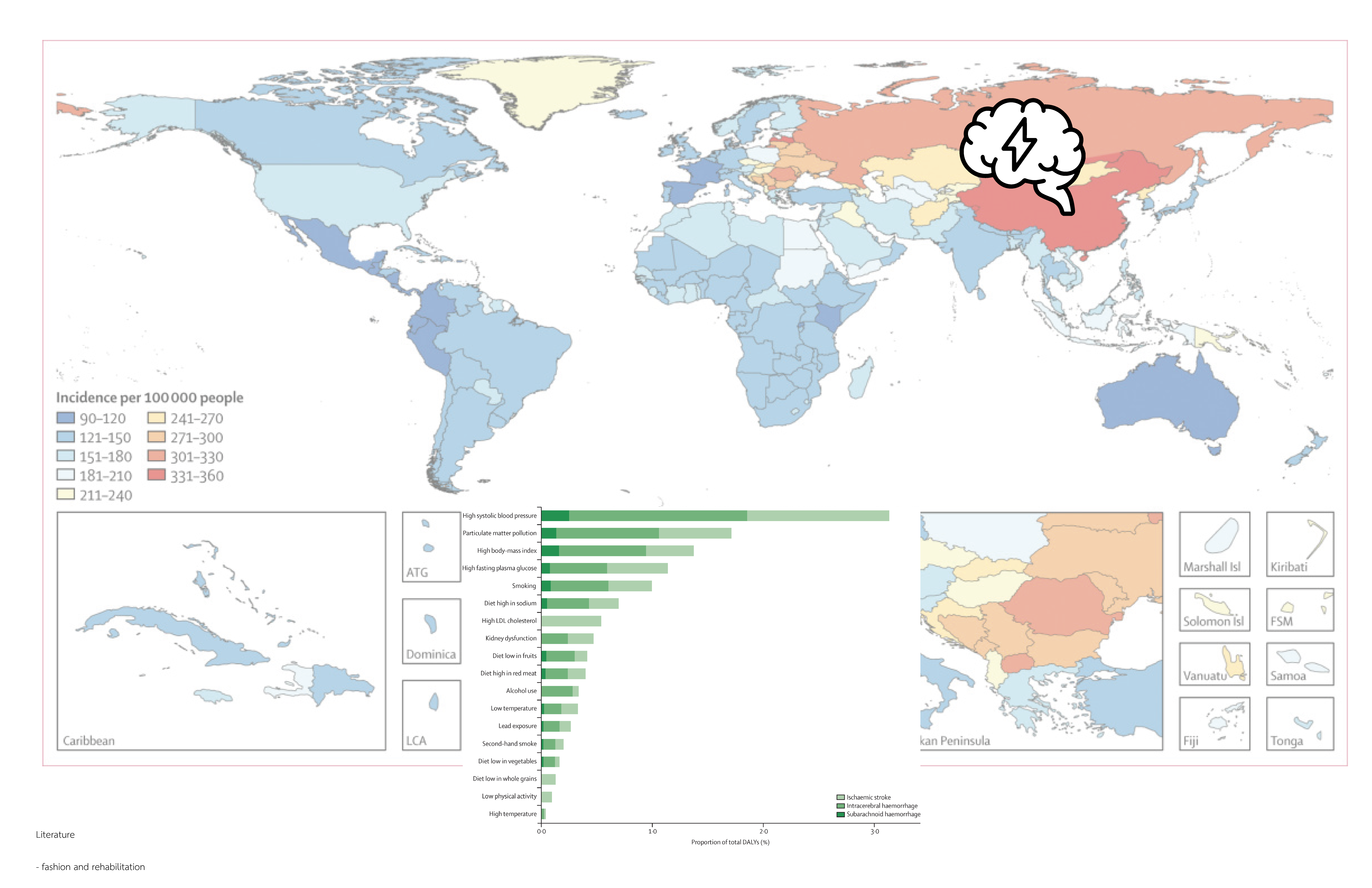
In Thailand, stroke is the third-leading cause of death after cancer and heart disease, with approximately 250,000 new cases yearly, while about 30% of patients develop paralysis. Therefore, awareness of stroke should be raised in the social context to reduce risks and promote functional rehabilitation to primarily support daily activities and independence. By experimenting and developing sensory tools, various textures, materials, and methods were designed through observation and discussion with stroke patients and medical professionals. In addition, the pilot project aims to validate the results and expand possibilities for other products, such as apparel and everyday items, and to engage with different target groups of brain disabilities, such as people with autism and dementia.
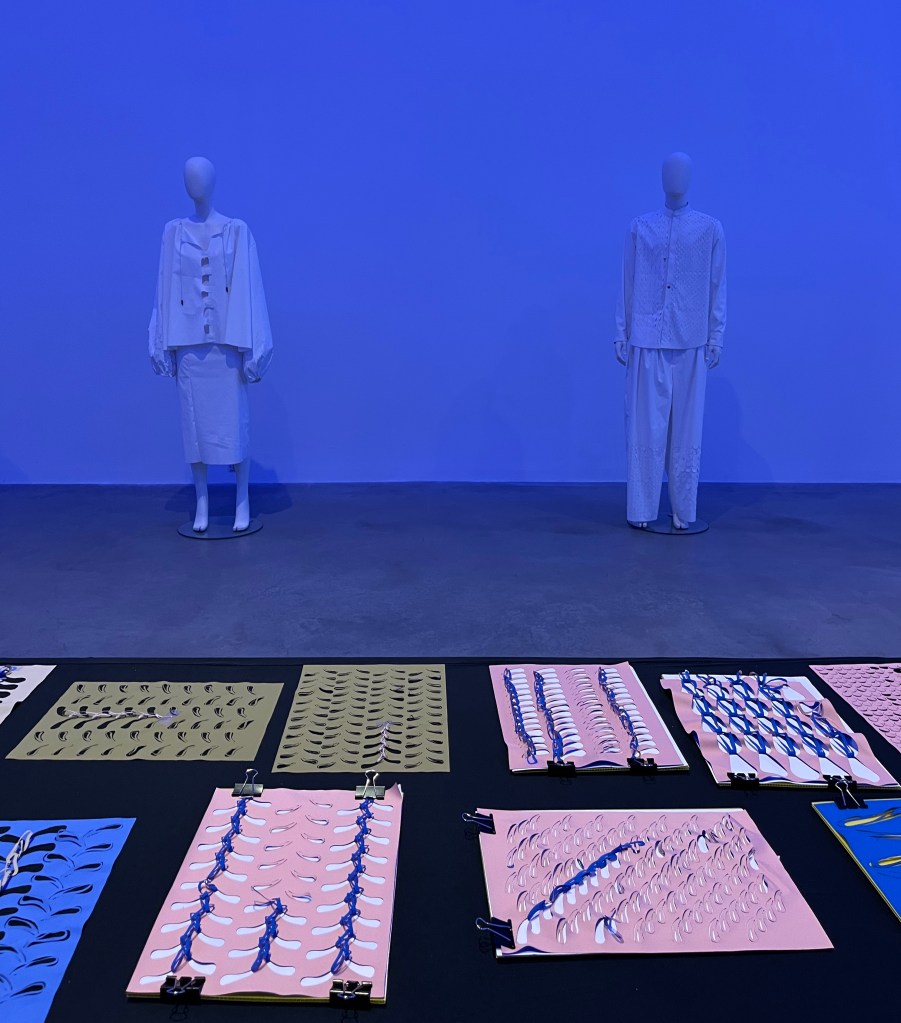
There might be a question of how fashion can be related to rehabilitation. Fashion and textile are not quite related to the rehabilitation. Most literature focuses on how sensory clothes can help to rehabilitate but not the fashion sense. The relationships between textile and sensory stimulation are usually claimed in the literature as textile as ‘in the moment’ tactile stimulation designed to support the wellbeing of a person with late-stage dementia. The LAUGH project aims to develop playful artefacts, which will contribute to non-pharmacological personalised approaches to caring for people living with late-stage dementia in residential care. However, fashion is usually used as to the concept more than in everyday lives. Persons with a physical disability may need adapted clothing to facilitate their full participation in society; it is unclear what information designers use to create adapted clothing. Strengthening collaborations with stakeholders (e.g. researchers, designers, consumers, health professionals, caregivers) may add credibility to future adapted clothing designs and bridge the gap between research and practice.

In this case, textile and sensory stimulation offers the capabilities of healing. An evocative, symbolic, embodied and emotional nature can be built as communal resources and compassionate for the creative arts. According to Belfiore (2016), arts are used for healing by humans for social purposes, in addition to individual and community healing, for centuries. Textile as a form of art? Some practitioners regard textile artwork as a means of coping with discomfort and other symptoms. For a minority, it enables expressions of anxiety and feelings about loss. Nevertheless, participants place more emphasis on the role of textile art-making in rebuilding a satisfactory identity, and restoring autonomy and quality to life. It fills occupational voids following early retirement, and enables social contacts. In the context of stroke, among the devices available on the market there are many rehabilitation robots, which the method of electrostimulation should be used. Using this method, application to people with large hand muscle contracture is difficult. The authors of the work present a solution dedicated to exactly such people. A solution of textronic sensors manufactured on a textile substrate using the technology of physical vapor deposition is presented. However, the solution is mainly dedicated to people with high hands spasticity for whom it is impossible to put on a rehabilitation glove. Thus, the design for stroke patients should be personalised for the users and also enhance the feeling joy during the rehabilitation sessions.
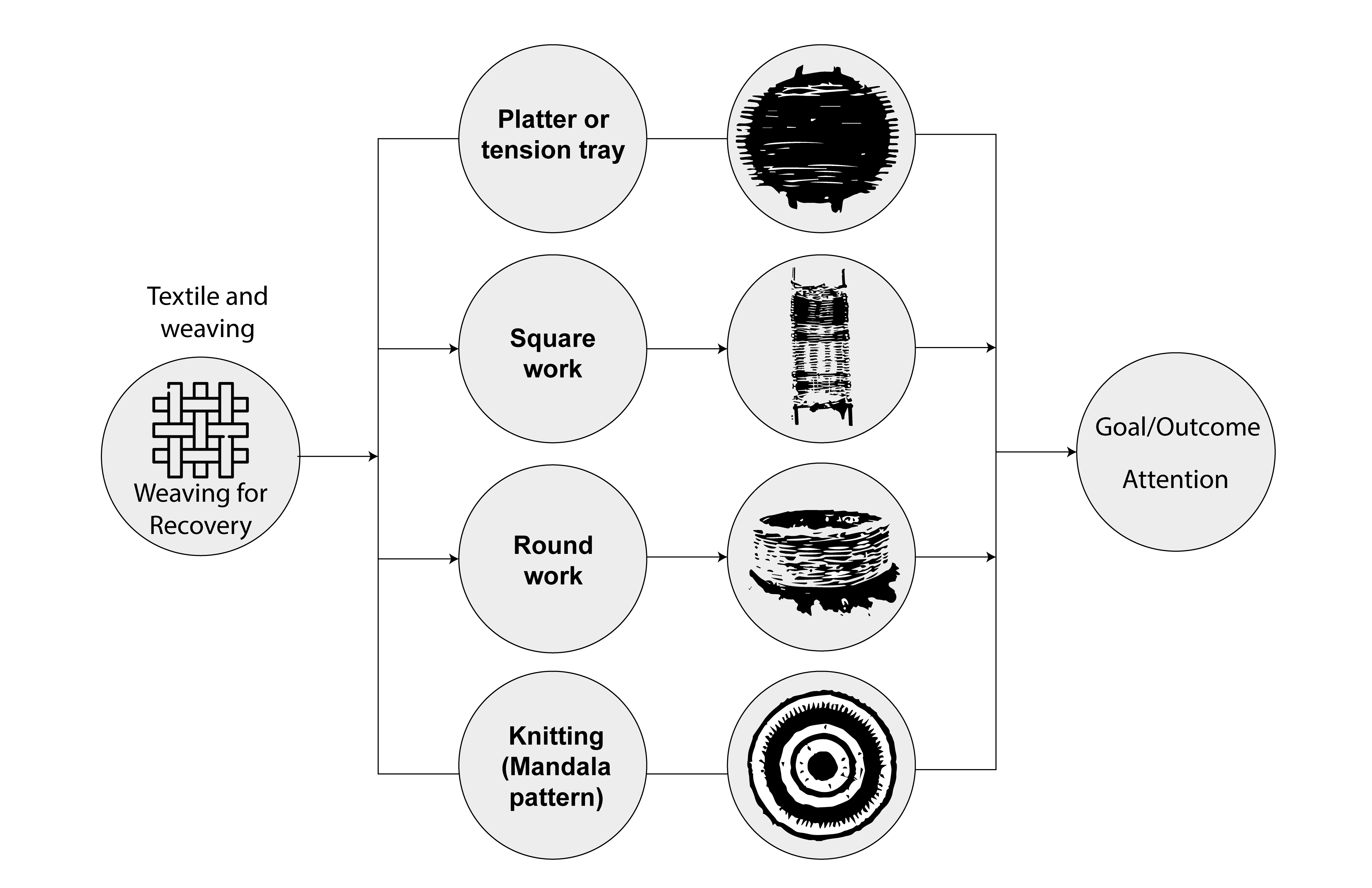
An individual has different symptoms of stroke and require different methods of rehabilitation. Sometimes, a stroke is called a brain attack, which occurs when something blocks blood supply to part of the brain or when a blood vessel in the brain bursts and parts of the brain become damaged or die. The brain damage can be caused and lasting, cause long-term disability, and even death. In this case, stroke patients require to rehabilitate their dignity and independence by training of activities of daily living (ADLs), which include activities such as eating/swallowing, feeding, bathing, dressing, grooming, toileting. The stroke symptoms are divided into different stages which require different levels of care. This pattern is detailed in Brunnstrom’s seven stages of stroke and recovery, which include 1) flaccidity, 2) spasticity appears, 3) spasticity increases, 4) spasticity decreases, 5) complex movement combinations, 6) spasticity disappears, and 7) normal function returns. Currently, the rehabilitation and sensory tools are dependent on occupational therapists to facilitate the rehab sessions. Importantly, there are no standard tools for them to use to match with patients’ needs. Moreover, ADLs such as dressing still requires some tools to support the patients. Not only the equipment, clothing or posture of the textile is also important to be developed.

As a result, design for stroke patients is focused on how design can work as a rehabilitation tool. After stroke, the main roles of occupational therapists work to facilitate and improve motor control, hand functions in the stroke affected upper limb, to maximise the person’s ability to undertake his or her own personal self-care tasks and domestic tasks; to help the patient learn strategies to manage the cognitive, perceptual, and behavioral changes associated with stroke; and to prepare the home and work environment for the patient’s return. Due to the limited of sensory tools for stroke patients, the standardised and effective tools are required for the accessibility and usability when they use at home and can be used by their relatives. The main research objectives are to study the feasibility of fashion design concepts in designing tools for development Performing daily activities (ADLs) and using textile materials with medical personnel and people with arteriosclerosis brain. Secondly, the objective is to develop and experiment with conceptual design tools for the development of daily routines (ADLs) taking into account physical, sensory and thinking and cognitive factors. For people with vascular disease. The brain is mainly and can be used according to the characteristics of the individual (personalised design). To design and manufacture tools for the development of daily routines (ADLs), especially compositing physical therapy for those who have had a stroke. To assess the feasibility for designing tools based on innovation by design concept that can be developed as tools for everyday use.
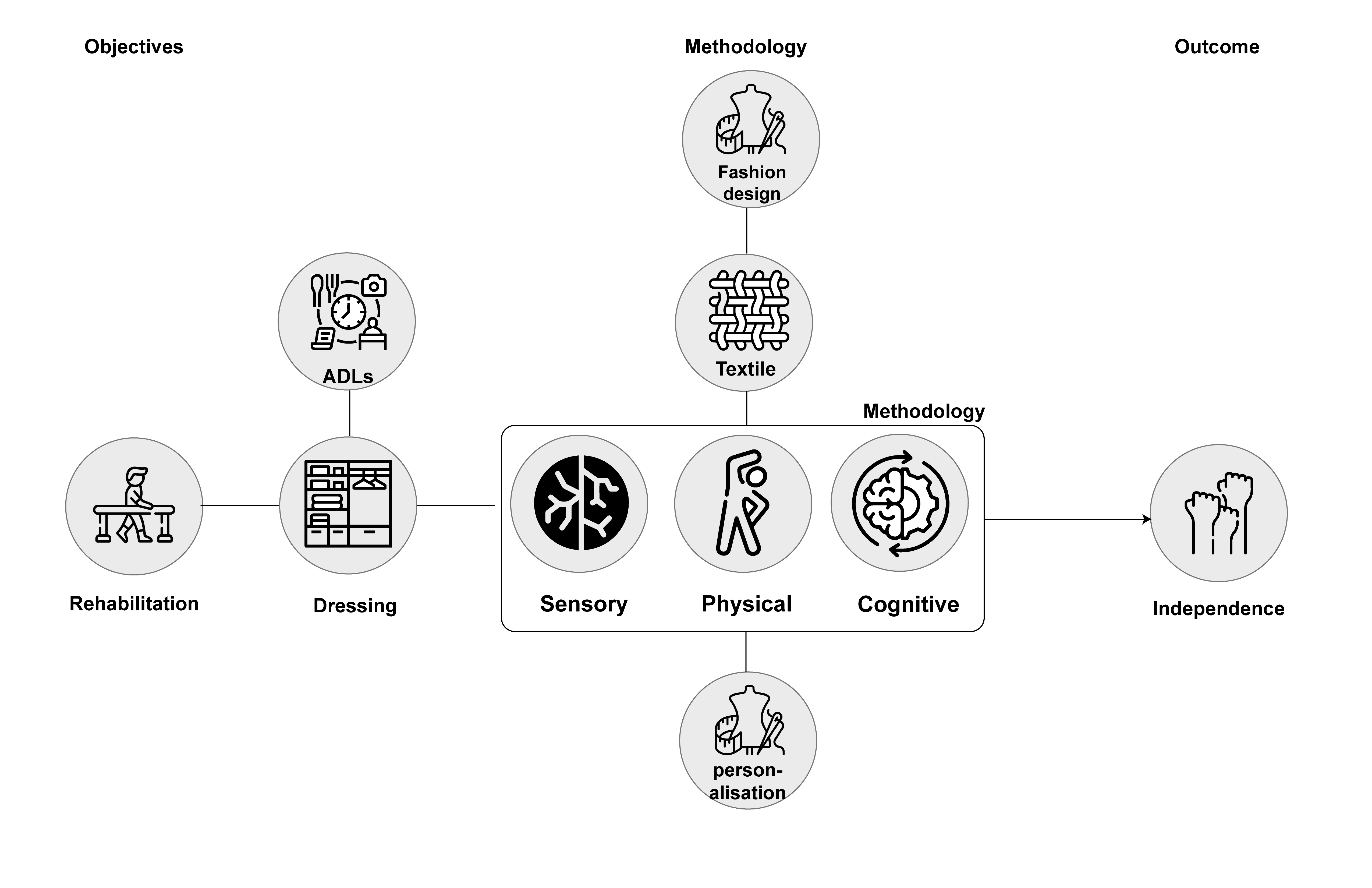
Research methodology of this pilot study includes observations and design research (user participation?). Exploratory interviews – the interviews were set up as in an informal arrangement with medical professionals including doctors and occupational therapists. Observation and interviews – the interviews and observation were conducted at Ramathibodi Hospital at the rehabilitation centre. The observations were conducted 1 day with an occupational therapist and a patient. In addition, an observation was also done at the ALDs centre with a brief introduction of sensory tools. Feedbacks and questionnaires – During a day of video documentation, feedbacks and questionnaires were sent to medical professionals to assess the volunteered patients. Exhibition feedback – post-it -most of the visitors were appreciated about the project. The main benefits, which are expected from the research project are to develop ADLs training model tools (for dressing) in both physical and sensory perception and thinking and understanding Emphasis is placed on the individual factors of people with cerebrovascular disease. A research project can study and develop the possibility of a link between fashion design and medical science. with the patient as the center of the design (patient-centred design).
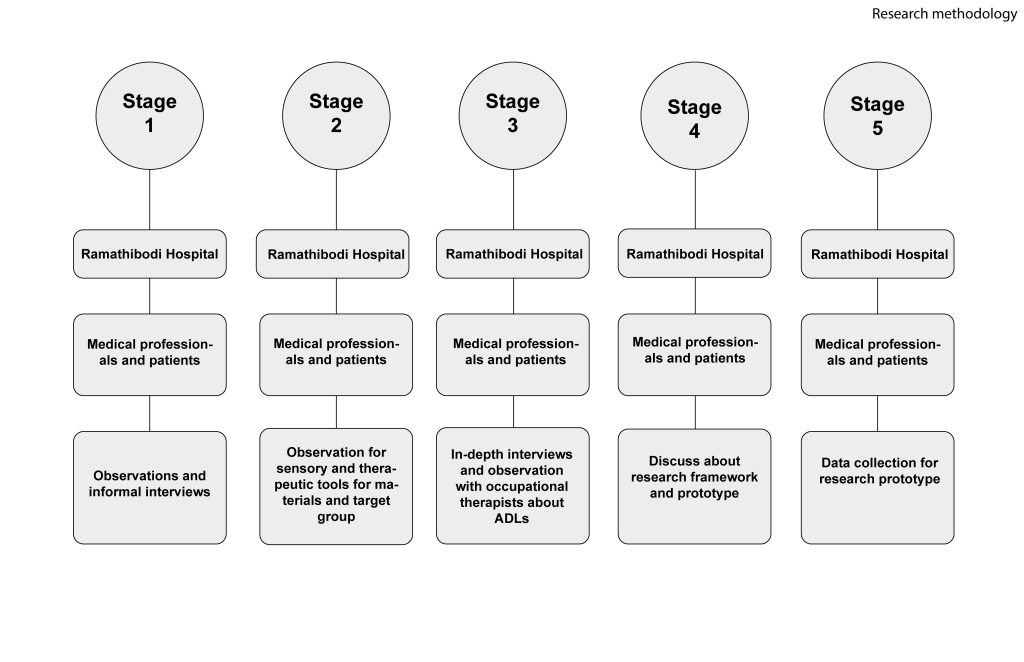

The first phase is to explore the perception of medical professionals on textile as a rehabilitation tool. Design methodology of the pattern and motifs of Vinn Pattararin in the collection of ‘Modern Botanist’ was developed and experimented by the pattern of nature. Research Findings – Exploratory 1st hand observation – First observation at Rama Hospital – group interview with stakeholders. The main points are the perception of doctors towards design and rehabilitation. Occupational therapists were interested in the concept. They suggested a sensory book or uses different types of sensory stimulation. Observation in Rama Hospital – 1st hand observation and interviews – ADLs – Interviews with occupational therapists and doctors were discussed with the concept of textile palette and stroke rehabilitation.
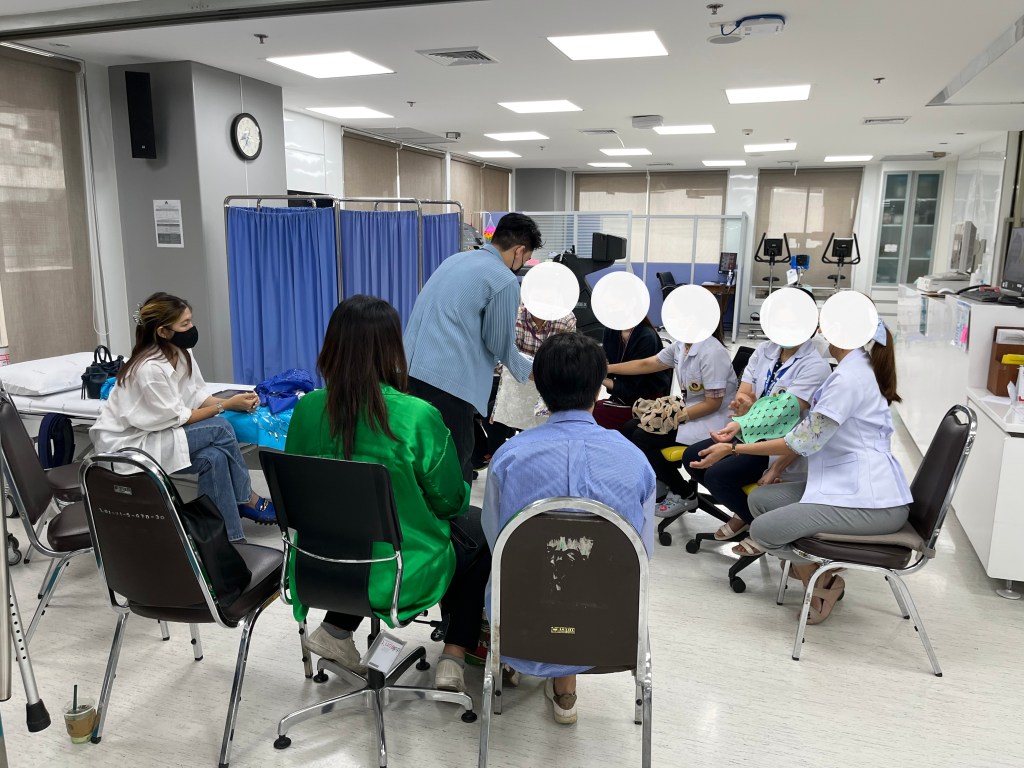

The occupational therapist was curious about the role of textile design and its capacity to enhance it to support dressing as one of ADLs.
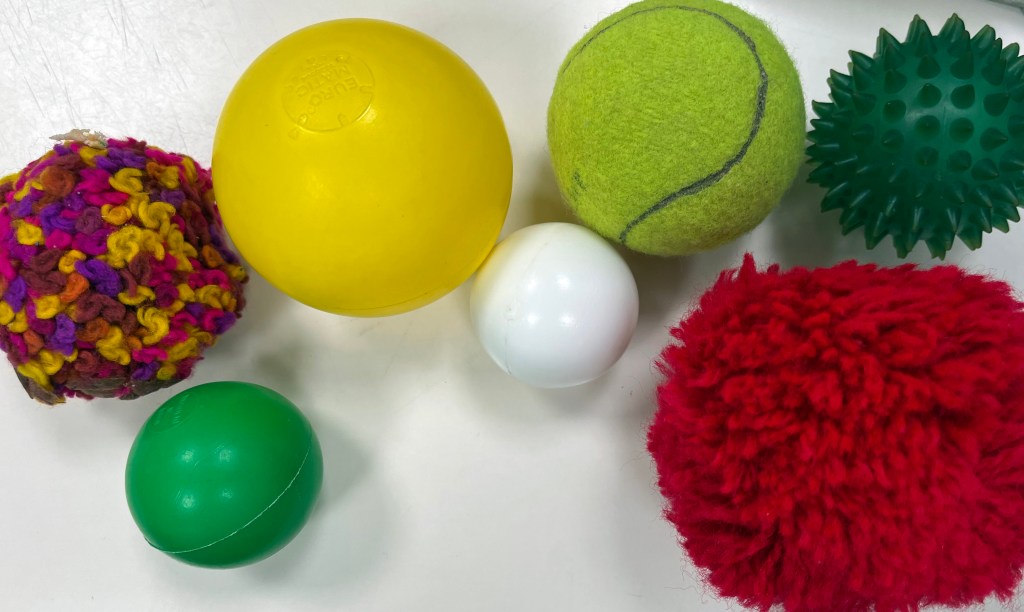
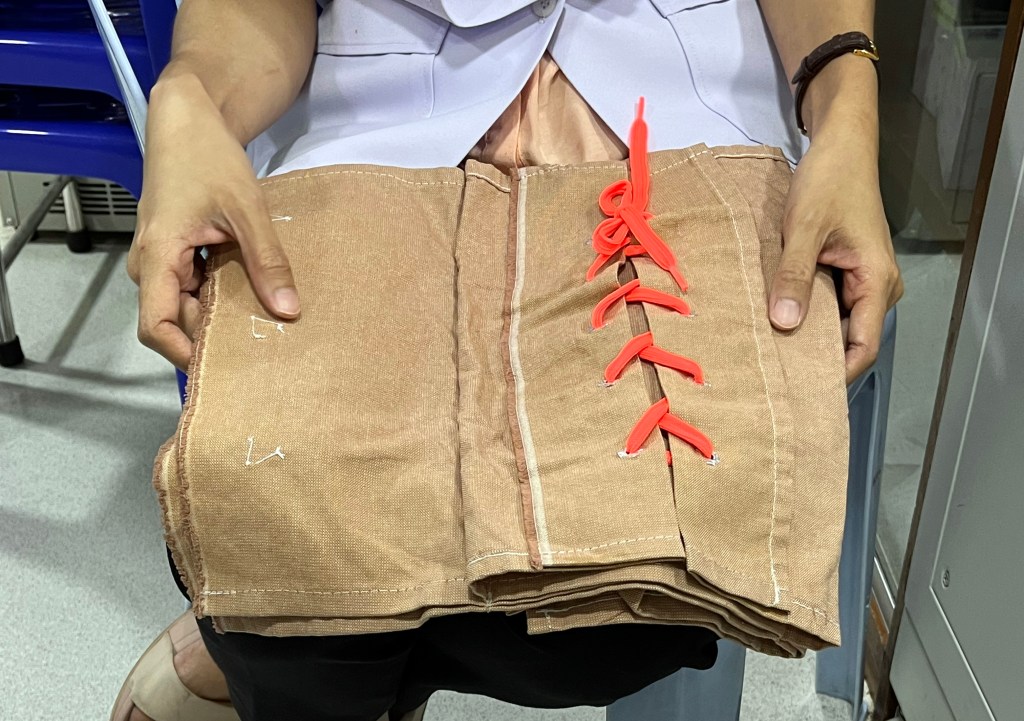
The second design phase is to design and gain feedbacks from users and their stakeholders. Feedback with rehabilitation doctors – feedbacks – the perception of medical professionals towards design and fashion design is challenging in the context of Thailand. The doctors suggested about the use of sensory textile for rehabilitation. Video and feedbacks from users – weaving seem to be a successful method for stroke patients to enjoy their leisure time as hobbies or craftmanship. The main findings of the pilot study are to. A pilot study is defined as “A small-scale test of the methods and procedures to be used on a larger scale” (Porta, Dictionary of Epidemiology, 5th edition, 2008). The findings demonstrate the appropriated size and the speed of weaving. The weaving patterns can demonstrate as a product at the end e.g., the appropriated size, the speed of weaving, equipment and how users operate the sensory tools
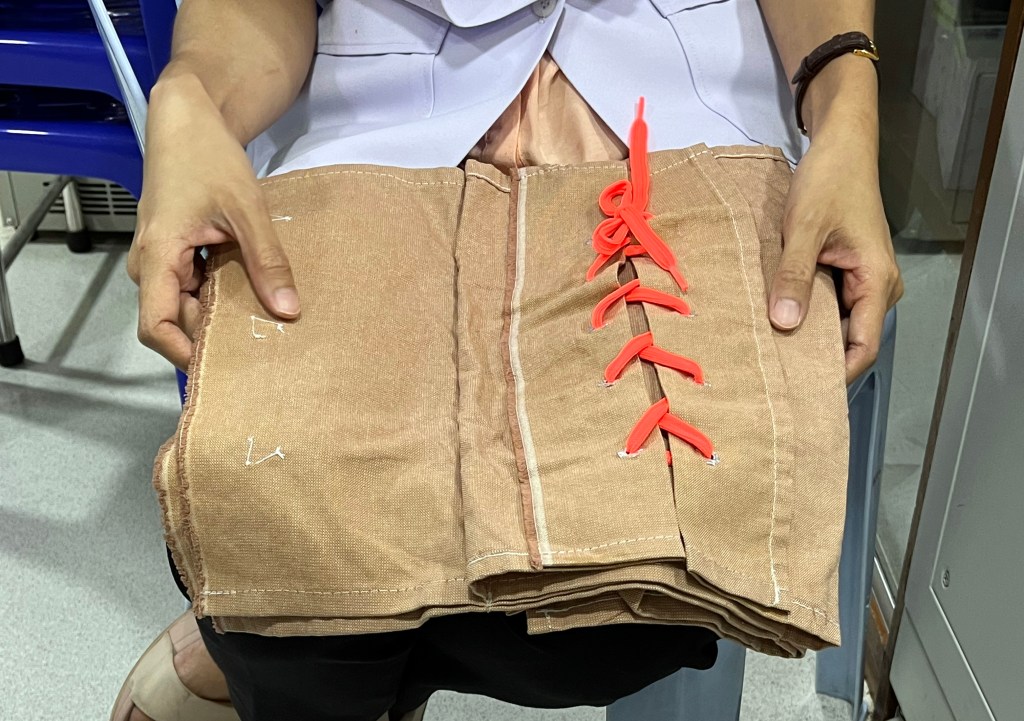
The main feedbacks of the fashion show and the exhibition are expressed with the social awareness. Can raise awareness of stroke patients. To know about stroke and rehabilitation. To acknowledge the potential of textile design. Potential of design and rehabilitation (innovation). Raise awareness of the stroke patients. Education for younger generations and kids. Kids love to play. Reflection from collaborators – as a pilot study – requires developing and strengthen the research framework. Narratives of the research process – they want to know more. What is your research process.
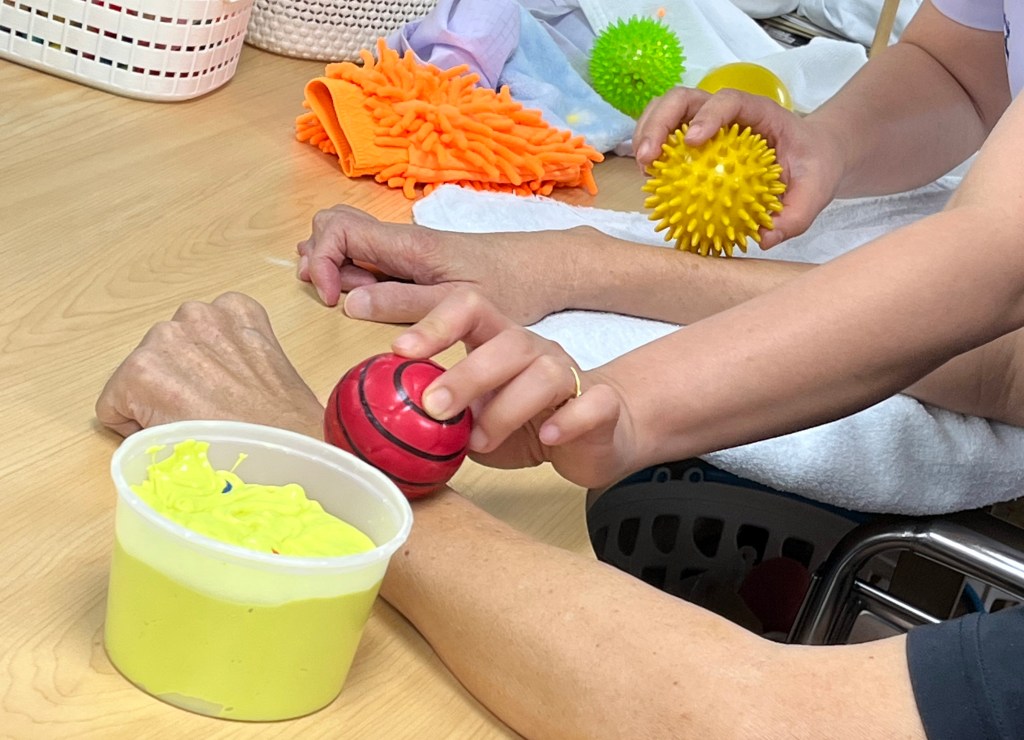
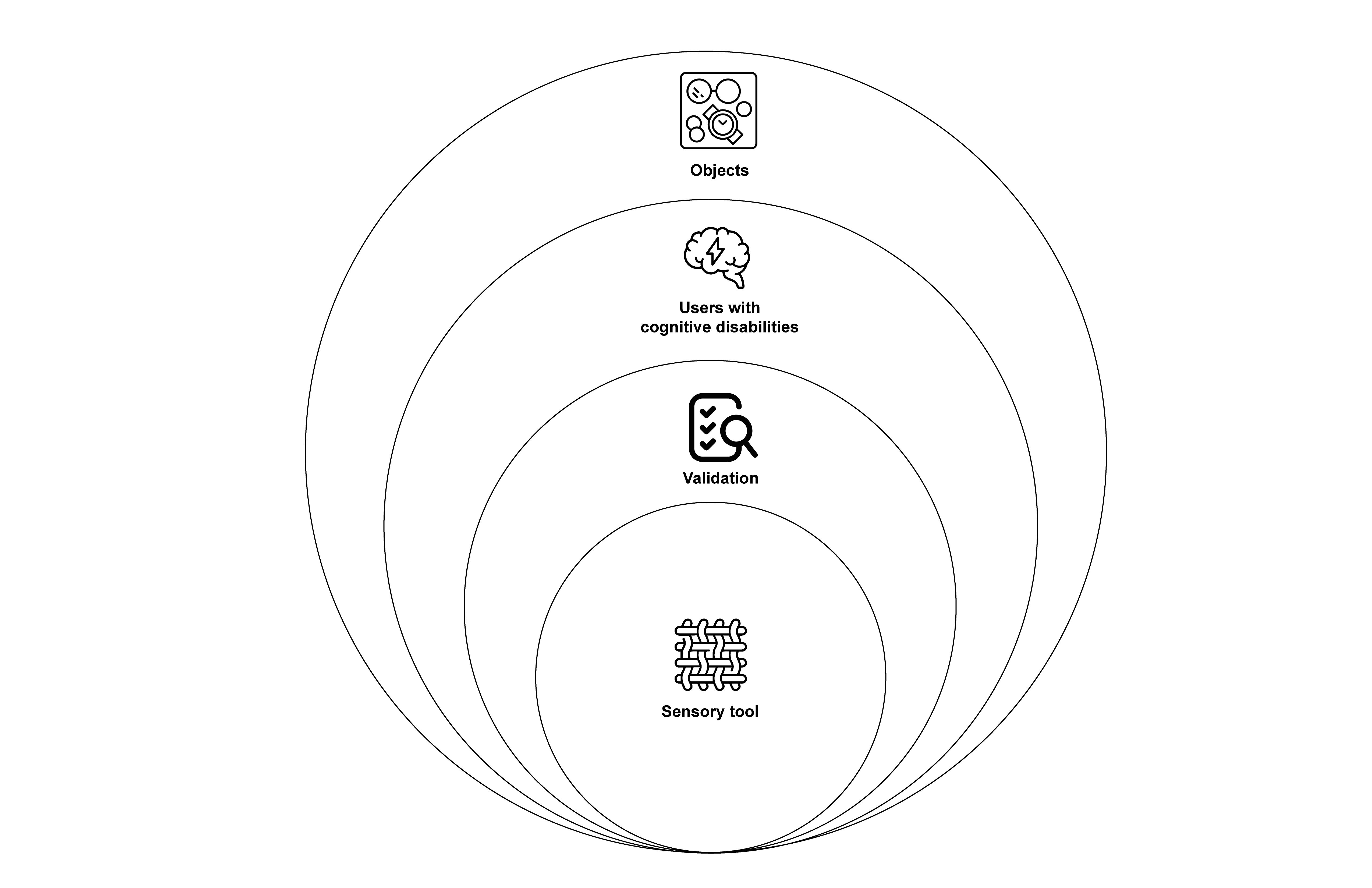
Finally, the research project aims to collect data on the main target groups. (those with cerebrovascular disease) in increasing numbers To validate the sample master tool (validation). The research project aims to develop concepts that can be applied to clothing and everyday objects. so that it can be used safely and comfortably as possible. The research project aims to develop tools for people with other brain conditions such as autism and dementia. Future development and research. The pilot study – requires research validation. Require more research participants to validate the research. The perception of doctors (medical and social model of disability). Stroke research and therapy requires long-term research goal (how/what’s the plan?). Multi-generational therapeutic tools (sensory tools). Weaving and textile as a therapeutic medium and tool.
 YANISA.NIEN