Thailand is one of the fastest-ageing countries in the world. The proportion of the population aged 60 and over is projected to increase from 13% in 2010 to 33% in 2040. Thailand is among the fastest ageing nations in Asia after Japan, Hong Kong, and Singapore. Sharing demographic similarities with China, Thailand is facing an ageing society and is expected to become an aged society by 2030. Currently, Thailand has 9.5 million senior citizens with 8.5 million healthy seniors and almost 1 million dependent seniors. Almost half of the young-old continue to work after 60, whereas the mid-old and the old-old rely on financial support from their children or relatives. With urbanization and reduction in family size, there is an increasing trend for older people living alone, creating opportunities for elderly care businesses. Apart from Thai elderly people, foreign retirees with long stay visa have increased continuously, indicating that foreign retirees could also be target customers of elderly care businesses in Thailand as well.
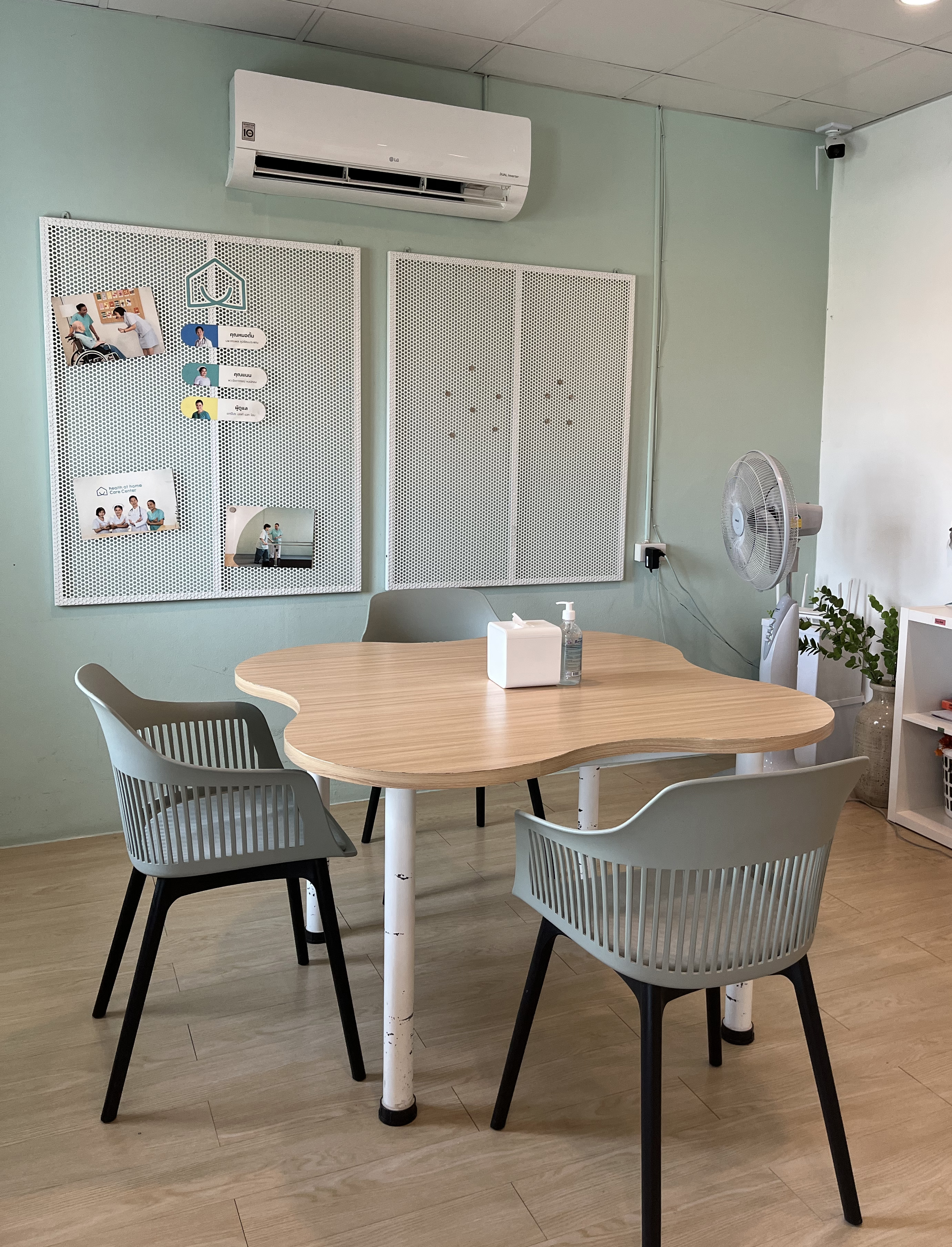
The research intends to investigate on the potential of an innovative design. With regards to the nursing home business, Thailand has approximately 800 nursing home operators, of which the majority are SME’s. At present, only a few large firms dominate the market. But recently, large private hospitals have started to venture into nursing home business targeting the high income group. Hence, the number of operators will increase in the near future. Regarding retirement communities, Thailand’s retirement community is still at an early stage, mostly run by government and non-profit organisations (NPOs). Currently, there are not many retirement communities run by private firms, but within the next 2-3 years, many new projects will be in operation such as Kamala senior living, Phuket, Sansara Hua Hin, and Sunplay, Chonburi.
 YANISA.NIEN